2 Apr 2026
Ridgesedge tools are built for demanding outdoor use, emphasizing durability, precision, and reliable performance across various conditions. Selecting the right model requires attention to several core factors that influence long-term satisfaction and effectiveness. Understanding these elements helps users match equipment to specific needs without unnecessary complications.
Blade Design and Edge Performance
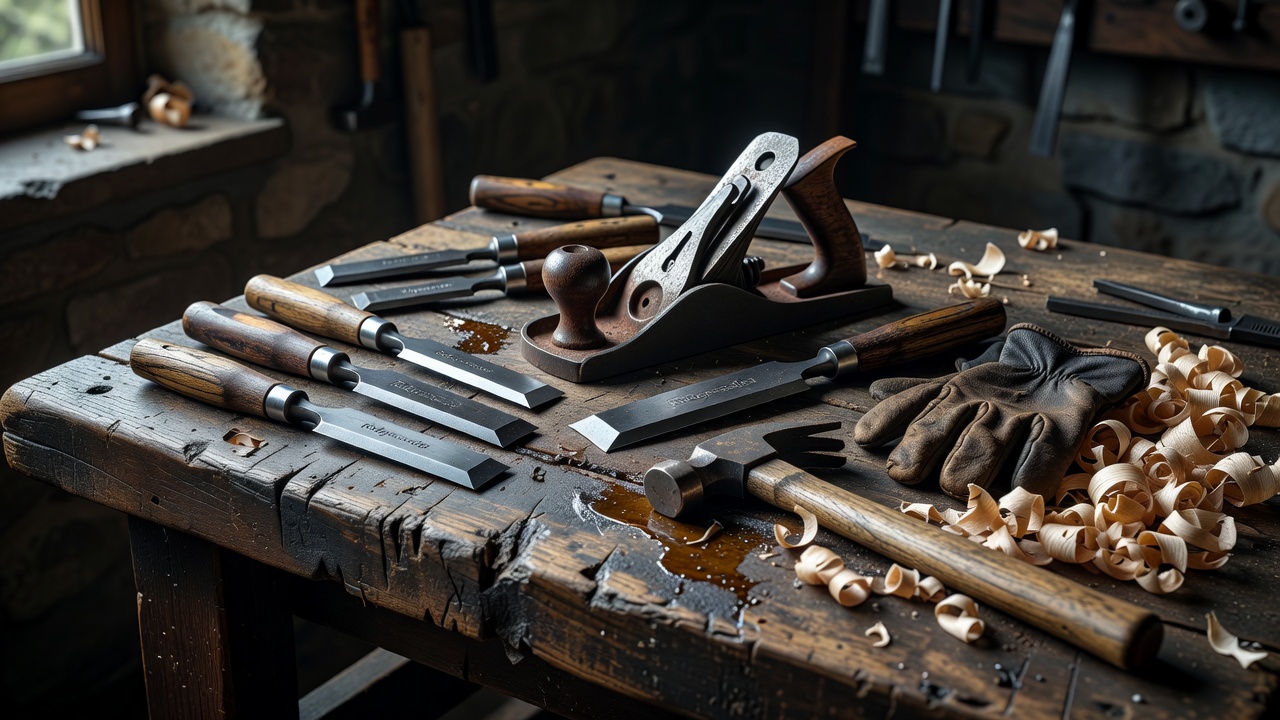
The blade represents the primary working surface of any Ridgesedge product. Focus on steel composition, as higher carbon content typically delivers superior edge retention while stainless variants offer better corrosion resistance in wet environments. Ridge patterns along the blade can enhance strength without adding excessive weight, but users should verify that the design does not interfere with sharpening routines. Edge geometry matters equally; a steeper angle suits heavy chopping tasks, whereas a finer profile excels at detailed carving. Testing the balance point before purchase ensures the tool feels natural during extended sessions, reducing fatigue and improving control in real-world applications.
Handle Construction and User Comfort
Ergonomics play a central role in safe and efficient operation. Materials such as textured composites or stabilized wood provide secure grip even when hands are wet or gloved. Check for full-tang construction, which extends the blade metal through the handle for added strength during high-impact use. Finger guards and contoured shapes prevent slippage, while weight distribution should align with intended tasks—lighter handles for precision work and heavier ones for leverage. Compatibility with different hand sizes is worth evaluating, as an ill-fitting grip can compromise accuracy and increase the risk of injury over time.
Maintenance and Longevity Considerations
Proper care extends the service life of Ridgesedge equipment significantly. Regular cleaning after exposure to moisture or debris prevents corrosion, and appropriate lubrication maintains smooth mechanisms where applicable. Storage in dry conditions away from extreme temperatures preserves material integrity. Users should also consider the availability of replacement parts and compatible sharpening systems, as these factors affect ongoing usability. Periodic inspection of rivets, scales, and edge alignment catches minor issues before they escalate, supporting consistent performance across seasons of use.